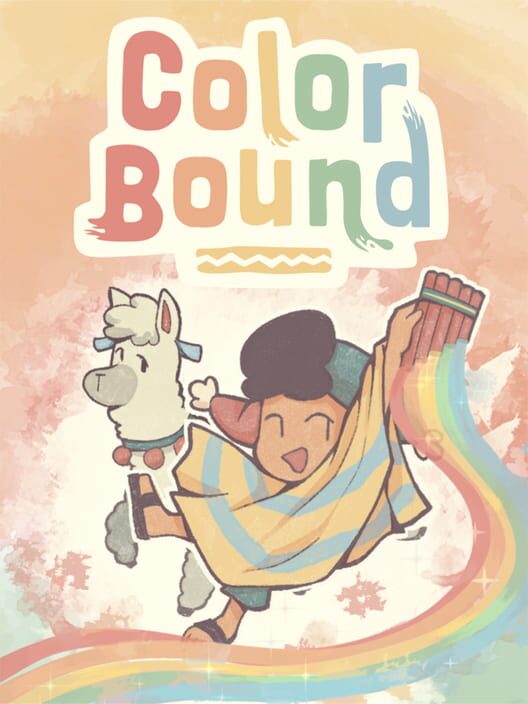
Colorbound
Colorbound Color Mechanics Guide: How to Solve Puzzles
Learn how Colorbound's palette system works, including how light and heavy colors reshape objects, reveal routes, and support puzzle-platforming solutions.
Price Comparison
Colorbound's central mechanic is using collected colors to change the environment. Anku adds colors to a palette and applies them to objects in order to open routes, alter obstacles, and solve environmental and light-platforming puzzles. The key idea is that colors are not merely visual: official descriptions state that some colors are light enough to make painted objects float, while heavier colors can make them drop. When a route seems blocked, look for an object whose position or behavior could change after it receives a color.
This guide explains what has been officially confirmed about Colorbound's palette-based puzzle system and how to approach its challenges without assuming unverified late-game mechanics or puzzle solutions.
How the color system works in Colorbound
You play as Anku, an Aymara boy who can use color to reshape the world around him. During the journey, he collects colors and adds them to his palette. Those colors can then be used to change how he interacts with environmental objects and create new ways forward.
The game is a puzzle-platformer rather than a pure platforming challenge. Movement matters because you need to cross terrain and reach newly opened areas, but the intended solution to an obstacle is often to understand the environment first. A gap, raised ledge, blocked passage, or inaccessible object may be a prompt to use the palette rather than an indication that you need a more precise jump.
Colorbound's official store description specifically identifies two different physical outcomes: lighter colors can allow painted objects to float away, while heavier colors can cause objects to drop. That makes the color system a form of environmental manipulation. Before using a color, think about what would happen if a nearby object rose or fell, and whether that movement would create a platform, clear a barrier, or bring something within reach.
Start by reading the whole puzzle space
Do not focus only on the obstacle immediately in front of Anku. Pause and inspect the visible area for objects positioned above, below, or beyond the blocked route. In a game built around changing the environment, the object that needs attention may not be the one preventing progress directly.
A practical first pass is to identify four things:
- The goal: Find the next reachable exit, ledge, passage, character, or interactable point.
- The obstruction: Note exactly what prevents Anku from reaching it, such as distance, height, a gap, or a blocked route.
- The movable element: Look for an object that appears deliberately placed to be repositioned or affected by color.
- The available color: Consider whether the color you have should make that element rise or fall.
This method keeps the puzzle readable. Instead of experimenting at random, you form a simple chain: identify the destination, identify the barrier, then identify what environmental change could remove that barrier.
Use light colors to create upward movement
According to the Xbox store description, lighter colors can make painted objects float away. The most straightforward use is likely to raise an object that is blocking a route or to move it toward an upper area. When an object is sitting below a ledge, beneath an overhead opening, or in a space with vertical room above it, a light color is the obvious possibility to test.
Think in terms of destination rather than effect alone. Making an object float is useful only when its new position helps Anku. It may clear a passage at ground level, create access to an elevated route, or reposition the object where it can support the next part of the solution. If floating an object appears to make the situation worse, inspect the rest of the scene before assuming the color was incorrect. The new empty space or the object's higher location may be the actual point.
Questions to ask before making an object float
- What is directly above the object?
- Will lifting it uncover a path or reveal another usable surface?
- Does its higher position place it closer to an otherwise unreachable ledge?
- Does the puzzle area include a ceiling, gap, or upper route that suggests vertical repositioning?
Because Colorbound combines environmental logic with light platforming, the most effective result may be a route that Anku can now traverse, not necessarily a visibly dramatic transformation.
Use heavy colors to bring objects down
Heavier colors have the opposite confirmed behavior: they can make painted objects drop down. This is the color interaction to consider when an important object is suspended too high, when a route needs a lower platform, or when something above Anku is preventing access to the area beneath it.
Dropping an object can serve several purposes. It may bring an object down to Anku's level, turn it into a stepping point, clear space above, or place it where it can affect another part of the route. In puzzle design, lowering an object is often about alignment: the item was not useful where it started, but it becomes useful when moved into the same vertical layer as the player or the next destination.
Check the area below before applying a heavy color. If there is a clear landing space, a lower route, or a position that would bridge a gap, the level is likely signaling that downward movement matters. Conversely, if there is nowhere meaningful for the object to land, look for another target or reconsider the route you are trying to make.
Plan a route, not a single interaction
Colorbound's official descriptions emphasize hidden paths and complex puzzles. That means a successful color interaction may be the first step in a sequence, rather than the final answer. After changing an object, take a moment to scan the environment again. The route may have changed in a subtle way: an opening may now be visible, a previously unreachable platform may be accessible, or a secondary object may now be positioned for the next manipulation.
A useful approach is to map each puzzle as a short route:
- Collect the available color.
- Apply it to the object that changes the environment.
- Move to the newly opened or repositioned area.
- Reassess the puzzle from the new vantage point.
This avoids a common puzzle-platformer mistake: continuing to search the original area after the solution has already changed the route. Once the world shifts, your perspective should shift with it.
Prioritize observation over rapid execution
Colorbound is presented as a game of logic puzzles and light platforming. The official accessibility page also says the development team was working toward no time limits on puzzles, step-by-step hints for most puzzles, and no quick-time events, button mashing, or long button presses. That information was labeled pre-release and not a final launch-feature list, so treat it as an indication of the game's intended approach rather than a guarantee of every option in the released version.
Even so, Colorbound's confirmed design premise favors deliberate observation. There is little reason to rush a puzzle if the route is not yet clear. Look at object placement, vertical space, gaps, and the relationship between the color in your palette and the environment. A careful read of the room should be more valuable than repeatedly attempting difficult jumps.
What to do when you are stuck
When progress stops, reset your thought process rather than repeatedly trying the same action. Start by locating every object that could plausibly be affected by color. Then ask whether the obstacle requires something to rise, fall, move out of the way, or become reachable. The official descriptions confirm the palette changes environmental behavior, so the solution is likely connected to an environmental transformation rather than a hidden combat ability or a high-speed platforming technique.
Also revisit spaces that initially looked decorative. Colorbound moves through varied locations, including forests, ruined cities, and deserts, and its puzzles are designed around the world itself. An object placed at the edge of the screen, above a path, or below a platform may be part of the solution even if it is not adjacent to Anku.
Finally, separate what is confirmed from what you are inferring. The game officially establishes light and heavy color behavior, collection into a palette, environmental manipulation, hidden paths, and logic-platforming puzzles. It does not, in currently available official descriptions, fully document every color, object type, or advanced interaction. Let the level layout teach you the rest instead of assuming a mechanic exists because it is common in another puzzle game.
Colorbound puzzle-solving checklist
For most puzzles, use this short routine: find the destination, identify the obstacle, inspect every relevant object, decide whether it needs to rise or fall, apply the appropriate color, then scan the altered space for the next route. This approach matches the game's confirmed palette mechanics and keeps the focus on environmental logic.
Colorbound is built around the idea that color changes the world rather than simply decorating it. Once you view each color as a way to reposition the level itself, the path forward becomes easier to read.
Sources
FAQ
Frequently Asked Questions
How do colors work in Colorbound?
Anku collects colors into a palette and uses them to change how environmental objects behave, opening paths and solving logic and platforming puzzles.
What do light colors do in Colorbound?
Official store information says lighter colors can cause painted objects to float away, which can help create or uncover a route.
What do heavy colors do in Colorbound?
Heavier colors can make painted objects drop down. This can bring objects into reach, clear a path, or create a lower platform.
Is Colorbound mainly a platformer or a puzzle game?
It is a puzzle-platformer. Official descriptions emphasize environmental and logic puzzles alongside light platforming.
What should I do when I get stuck in Colorbound?
Inspect the whole area, identify the blocked route, then look for an object that may need to rise or fall after being painted with a collected color.
Platforms
PC (Microsoft Windows), Nintendo Switch, PlayStation 5, Xbox Series X|S
Genres
Platform, Puzzle, Adventure, Indie
Game Modes
Single player
Player Perspectives
Side view
Game Engines
Godot
Companies
Panpipe Studio, Whitethorn Games