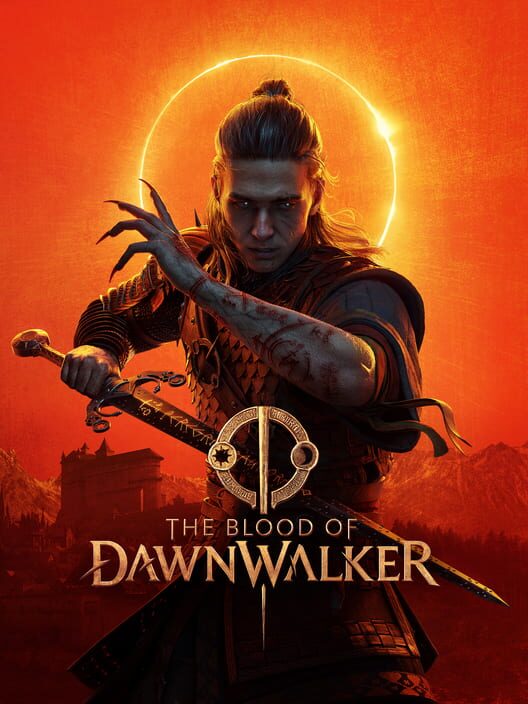
The Blood of Dawnwalker
The Blood of the Dawnwalker Arrives September 3rd! Dark‑Fantasy Open‑World Action RPG
The Blood of the Dawnwalker Arrives September 3rd! Dark‑Fantasy Open‑World Action RPG
Price Comparison
The Blood of the Dawnwalker: September 3 Release – Dark‑Fantasy Open‑World Action RPG Review
Key Takeaways: The Blood of the Dawnwalker is an Unreal Engine 5‑powered vampire open‑world action‑RPG featuring a unique 30‑day time‑currency mechanic, dual human‑vampire forms, and morality‑driven feeding systems. This article breaks down core gameplay, key mechanics, and whether the title is worth your time.
Overview of The Blood of the Dawnwalker
The Blood of the Dawnwalker is a highly anticipated dark‑fantasy open‑world action RPG officially launching on September 3. Built using Unreal Engine 5, the title draws clear design inspiration from genre benchmarks such as The Witcher 3 and Red Desert.
Set across 14th‑century Europe, the world is ravaged by war, the Black Death, religious conflict, and vampire threats. Players take control of Koen, also known as the Dawnwalker. The protagonist is modelled after Konrad, director of The Witcher 3, who also serves as director and studio lead for this project. The game delivers complex character relationships, choice‑heavy narrative branches, and a living open world that evolves as in‑game time progresses.
Dual‑Form Gameplay: Human Daytime and Vampire Nighttime
Unlike traditional monster‑hunting fantasy protagonists, Koen carries dual human and vampire identities with distinct sets of abilities.
During daylight hours, players remain in human form. Combat relies on swordplay and magic. You may freely explore settlements, converse with NPC residents, and investigate clues across the map. Once night falls, the vampire form awakens and unlocks access to devastating supernatural powers.
Vampire abilities include razor‑sharp claws, shadow step traversal, sonic shockwaves and more. These powers let players overcome obstacles impossible to resolve during daytime sequences. Combat blends design cues seen in Red Desert and Kingdom Come: Deliverance, delivering fast, weighty action encounters.
Feeding Mechanics: Human Blood versus Animal Blood
Power comes with significant risk. Every vampire ability consumes blood reserves and stamina. To survive, players must feed, and each feeding option carries unique gameplay and morality consequences.
Feeding on Human Blood
Human blood rapidly satisfies your blood hunger and unlocks advanced skills and combat upgrades. However, there is a steep cost: each human feed raises your corruption level and erodes your humanity as vampire instincts grow stronger.
Effectively, you trade humanity for raw power. As corruption accumulates, it becomes harder to suppress bloodlust. Full loss of control triggers a rampage state: your character is overtaken by primal vampire impulses, threatening surrounding NPCs and potentially resulting in player death.
Feeding on Animal Blood
For players seeking lower‑risk playstyles, animal blood replenishes blood meters and eases hunger without heavy corruption penalties. The trade‑off is clear: you will not unlock the most powerful vampire skills and combat builds available in the game. Your feeding choices directly shape your overall playthrough experience.
The Unique 30‑Day Time‑Currency System Explained
One of the title’s most defining features is its 30‑day‑and‑night cycle. This is not a simple fail‑state countdown timer; instead, time functions as a finite resource or “time currency” for key decisions.
Standard open‑world activities such as exploration, travelling across the map, and looting do not consume time currency. Only critical actions deplete this resource: major main and side quests, pivotal story conversations, and unlocking select character skills.
Prior to committing to high‑impact actions, the game informs players exactly how much time each activity will cost you. This forces meaningful decision‑making: you must prioritise which objectives deserve your limited time budget.
The game contains a very large pool of quests and content, yet it is impossible to complete everything within your available time. Some opportunities vanish permanently if you pass them by. Consequences include permanent character deaths, disappearing quest lines, and lasting shifts in NPC relationships.
Even if the 30‑day window closes and you fail to save your family, the story does not end. Developers have confirmed the narrative will keep progressing. Unfinished objectives create lasting ripple effects and unlock entirely different story branches. Every decision shapes the direction of your playthrough, much like real‑world life choices.
Is The Blood of the Dawnwalker Worth Playing?
The Blood of the Dawnwalker delivers a fresh take on open‑world RPG design by centering limited time against abundant in‑game content. Its core systems — dual‑form combat, morality‑based feeding, and the innovative time‑currency mechanic — set it apart from competing dark‑fantasy releases. With rich worldbuilding and branching narrative outcomes, it ranks among the most anticipated upcoming action‑RPG titles.
FAQ
Frequently Asked Questions
When does The Blood of the Dawnwalker release?
The game officially launches September 3.
What engine is The Blood of the Dawnwalker built on?
It is developed using Unreal Engine 5.
What is the 30‑day mechanic in The Blood of the Dawnwalker?
Thirty‑days acts as finite time‑currency for major story actions. Exploration itself does not consume time. Missed choices create permanent story consequences.
Can you play without feeding on humans in The Blood of the Dawnwalker?
Yes, animal blood is a valid low‑corruption feeding option, though you will miss access to the strongest vampire powers.
What are the main inspirations for The Blood of the Dawnwalker?
The game draws design inspiration from titles including The Witcher 3, Red Desert and Kingdom Come: Deliverance.
What happens after the 30‑day period ends?
The story will keep progressing even if you fail to save your family. Unfinished objectives trigger lasting ripple effects and unlock different story branches.
Platforms
PlayStation 5, Xbox Series X|S
Genres
Role-playing (RPG), Adventure
Themes
Action, Fantasy, Open world
Game Modes
Single player
Player Perspectives
Third person
Game Engines
Unreal Engine 5
Companies
Rebel Wolves, Bandai Namco Entertainment